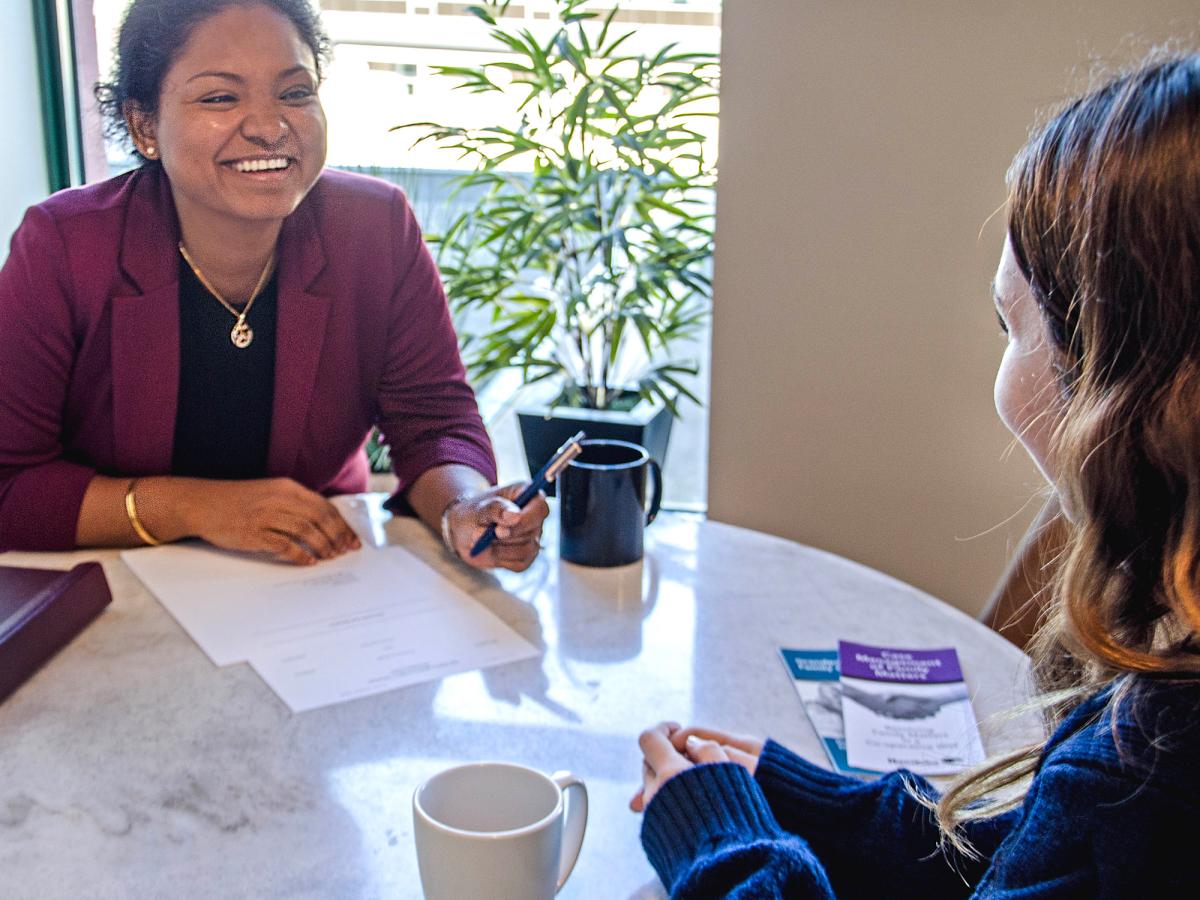
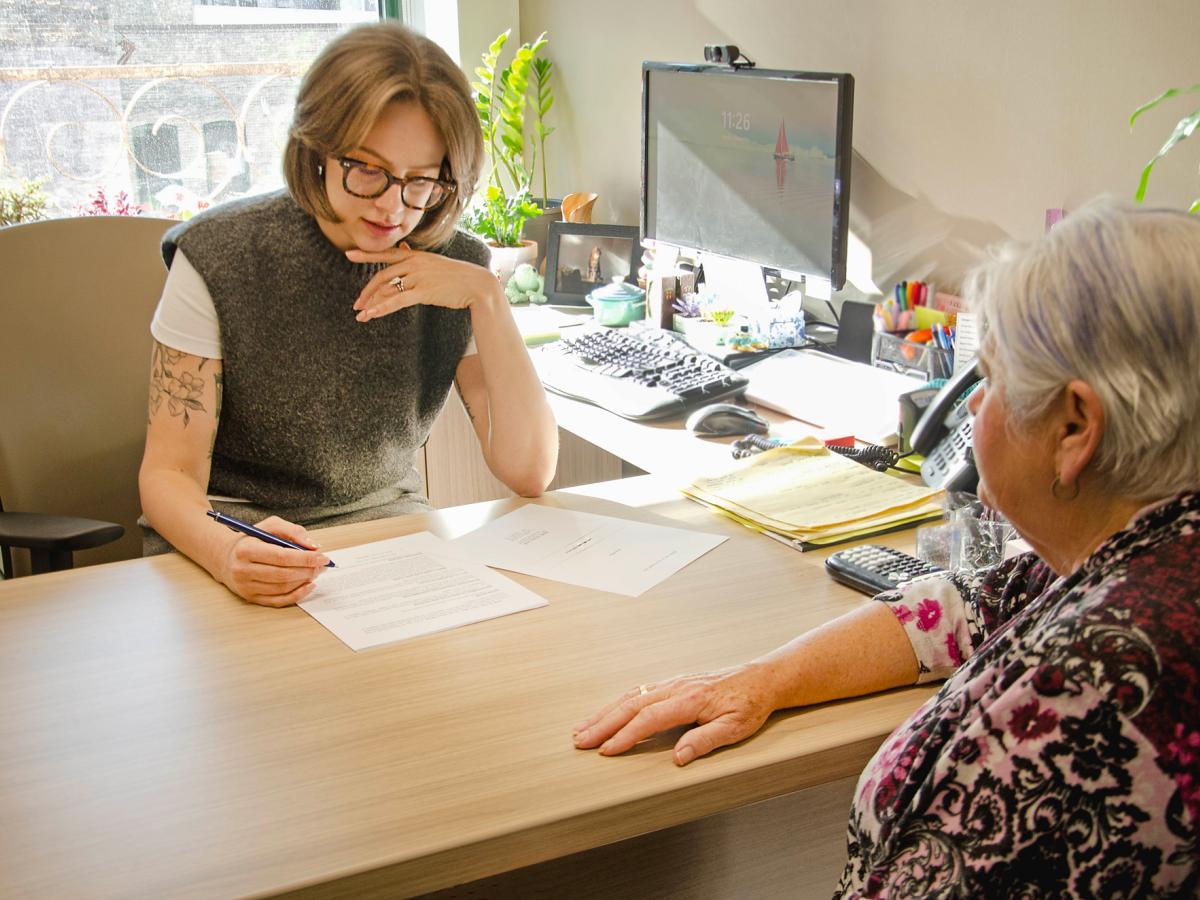
In mediation, a neutral third party, known as the mediator, facilitates communication between individuals by helping them identify their priorities and engage in productive conversations. The mediator assists in creating an environment where both parties can openly express their perspectives, ensuring that everyone is heard. With the support of guidance, legal information (not legal advice), and education, mediation empowers individuals to make informed decisions on their own. While the mediator does not make decisions, they provide assistance in helping both parties reach mutually agreeable solutions. Mediation is a voluntary process that can be initiated at any point during a separation or divorce. It is also applicable in matters such as pre-nuptial agreements, cohabitation agreements, post-nuptial agreements, and modifications to separation agreements.